Why Custom Team Shirts Matter
A sports team is not just a group of players. It is an identity. Custom shirts turn that identity into something the whole team can wear, and something fans and families can recognize from across the field. For embroidery shops and apparel businesses, sports teams are one of the most steady and repeatable sources of orders. Once a team likes what a shop delivers, they tend to come back season after season.
This guide walks through the full process of creating customized shirts for a sports team, from choosing a decoration method to avoiding the mistakes that cause reorders and refunds.
Step 1: Choose the Right Customization Method
There are three common ways to put a design on a team shirt, and each one has its place.
Screen printing is the most cost effective option for large orders with simple, flat designs. It works well for bold team logos and slogans printed in one or two colors.
Heat transfer vinyl is a good fit for small orders or last minute requests, such as adding a player number the week before a tournament. It is fast, but it does not hold up as well over many wash cycles as other methods.
Embroidery is the strongest choice for a professional, long lasting finish. It works best for team crests, small logos, and player names, and it holds its shape and color far longer than print. Many teams choose embroidery for polos, jackets, and caps, and pair it with screen printing for the main jersey design.
A shop that can offer more than one method gives a team options based on budget and use case, which usually means a bigger order and a longer relationship.
Step 2: Get the Design Right
The design is where most of the back and forth with a team happens, so it helps to get a few things settled early.
- Team colors: Ask for the exact color codes if the team has them. Sports teams are particular about their colors, and a close match is not the same as an exact match.
- Logo and mascot: Request the highest resolution file the team has. A blurry logo often needs to be redrawn or vectorized before it can be printed or digitized cleanly.
- Player names and numbers: Confirm the full roster early, including correct spelling. This is the most common source of reprints.
- Placement: Front chest, back, sleeve, and collar are the usual spots. Confirm placement with a simple mockup before production starts.
Sending a digital proof before production begins saves time and money on both sides. It also gives the team a chance to catch an error before it becomes an expensive one.
Step 3: Pick the Right Fabric and Fit
Sports teams have different needs depending on the sport and the season. A few common choices:
- Moisture wicking polyester: The standard for active sports like soccer, basketball, and running. It stays light and dries fast.
- Cotton blends: A comfortable choice for fan shirts, team hoodies, and casual wear rather than in game jerseys.
- Mesh panels: Common in jerseys for extra breathability under the arms and along the back.
The fit matters as much as the fabric. Athletic cut shirts run closer to the body, while a relaxed fit is often preferred for coaches, staff, and fan merchandise.
Step 4: Get Sizing Right for the Whole Team
A single wrong size on a jersey order can hold up delivery for the entire team. Before placing a bulk order:
- Send a size chart specific to the shirt style being used, since sizing varies between brands and cuts.
- Ask the team to collect measurements rather than guesses, especially for youth teams where sizes change quickly.
- Order one or two spare shirts in the most common sizes to cover late additions to the roster.
Step 5: Set a Fair Budget for Bulk Orders
Pricing a team order usually comes down to four things: the shirt itself, the decoration method, the number of colors or thread colors in the design, and the total quantity. Larger orders bring the per unit cost down, so it helps to be upfront with the team about pricing tiers. For example, an order of 30 shirts may cost noticeably less per shirt than an order of 10.
It also helps to separate the cost of the base shirt from the cost of personalization, such as adding individual names and numbers, so the team understands exactly what they are paying for.
Step 6: Work with a Production Partner You Can Trust
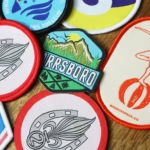
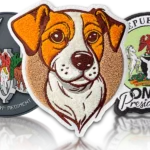
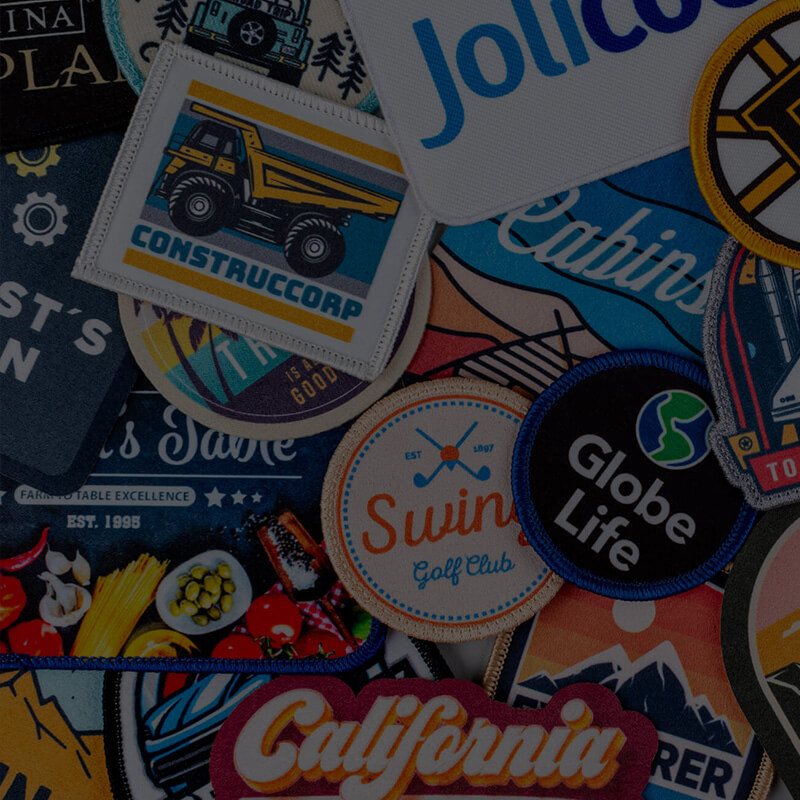
For shops that take on a lot of team orders, especially ones that need embroidered logos, crests, or numbers, production speed and consistency start to matter as much as design. This is often where a backend partner comes in. Emboro Stitch works with embroidery shops across the USA to handle digitizing and custom patch production at scale, so a shop can take on more sports team orders without needing to expand its own equipment or staff. The goal is simple: the shop focuses on the customer relationship, and Emboro Stitch handles the production work behind the scenes.
Common Mistakes to Avoid
- Skipping the proof: Always confirm colors, spelling, and placement before production.
- Guessing sizes: Always work from a size chart, not assumptions.
- Underestimating turnaround: Team orders often have a hard deadline, such as the first game of the season. Build in extra time for changes.
- Ignoring fabric needs: A shirt that looks great but is not built for the sport will lead to complaints.
Final Thoughts
Customized team shirts are one of the most reliable ways for an apparel or embroidery shop to build repeat business. Getting the design, sizing, and production process right the first time is what turns a one time order into a season after season customer.