

Custom Patches for Hats
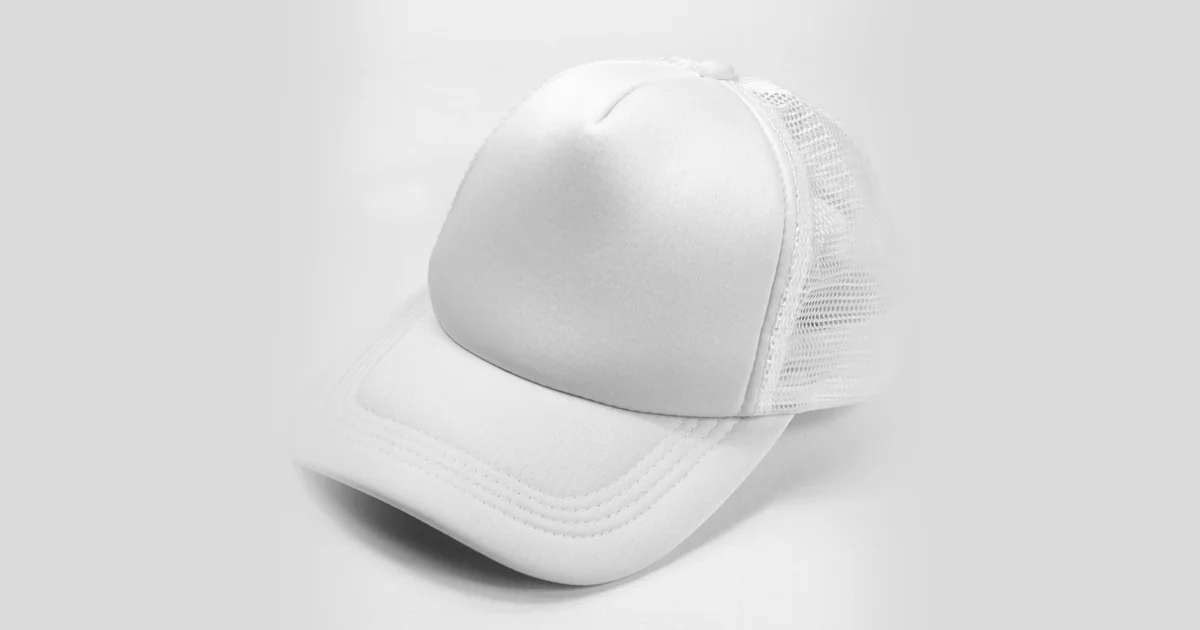
Custom patches for hats need a smaller size, the right backing, and a patch type that suits a curved surface. Here is what to know before you order.
Best Patch Size for Hats
Most hat patches run 2 to 3.5 inches wide. This range is not arbitrary, it comes from how a hat front is actually shaped. A hat front panel is small and curved, so a patch above 3.5 inches starts to fight the curve. The edges lift, the design distorts, and it ends up looking pasted on rather than part of the hat. On the smaller end, anything under 2 inches tends to lose detail once it is stitched, especially if the logo has fine text or thin lines. Staying in the 2 to 3.5 inch range is what keeps the patch sitting flat and the design still readable up close.
Backing Type
Iron-on, sew-on, and Velcro are the common options, and the right one depends on how the hat will actually be used, not just looks. Iron-on is fast and works fine for a one-time event or a hat that will not see heavy wear. Sew-on takes more time to apply but holds through repeated washing and daily use, which is why most production runs for teams or brands go with sew-on. Velcro costs a little more upfront because it needs a backing piece attached to the hat, but it is the only option that lets the patch come off later, which matters if the hat will carry different patches over time.
Patch Type
Embroidered and woven patches are the most common choice for hats, and for good reason. Embroidered gives a raised, textured look that reads well even at the smaller sizes hats need. Woven works better than embroidered when a logo has fine detail or small text, since the tighter stitch holds sharper lines. PVC is a solid choice too, it is more durable against weather and does not fray, which is why it shows up often on outdoor and sports team hats. Chenille is usually kept for varsity-style caps specifically, since it is thicker and does not sit flat on a curved front panel the way the other three do.
Common Questions About Patches on Hats
Do patches damage hats?
No, not when applied correctly. Sew-on is the safest option since it does not involve heat. Iron-on is fine on cotton and most blends, but check the hat’s care label first, since some synthetic materials can warp under heat.
Iron-on or sew-on, which lasts longer?
Sew-on lasts longer and holds up better through washing. Iron-on is faster and fine for light use, but the edges can start to lift over time, especially with repeated washing.
Can a patch be removed later?
Velcro backing is the only option that allows easy removal. Iron-on and sew-on patches are meant to stay, and removing them can leave marks or damage the fabric.
Can patches go on a fitted hat, not just a snapback?
Yes. Patch placement works the same on fitted caps, snapbacks, trucker hats, and dad hats. The curve of the front panel is similar across these styles.
Is there a minimum order for hat patches?
Orders start at just 10 pieces. Wholesale pricing kicks in once you move into bulk volume.
How to Order
- Send your design. If it is not already stitch-ready, it needs digitizing first.
- Pick size, backing, and patch type based on the above.
- Approve a sample before full production.
Emboro Stitch handles the digitizing and production for hat patches. Small orders are welcome, just discuss your quantity, and pricing will beat the market rate. Larger orders for resale or team gear get wholesale pricing. Reach us through the quote form or at emborostitch@gmail.com.
Need Custom Patches?
Send us your design and get honest pricing back within 24 hours, plus a free digital mockup before production. No obligation.
Get a Quote