

Embroidery Digitizing Service: Pricing, Formats, and FAQ
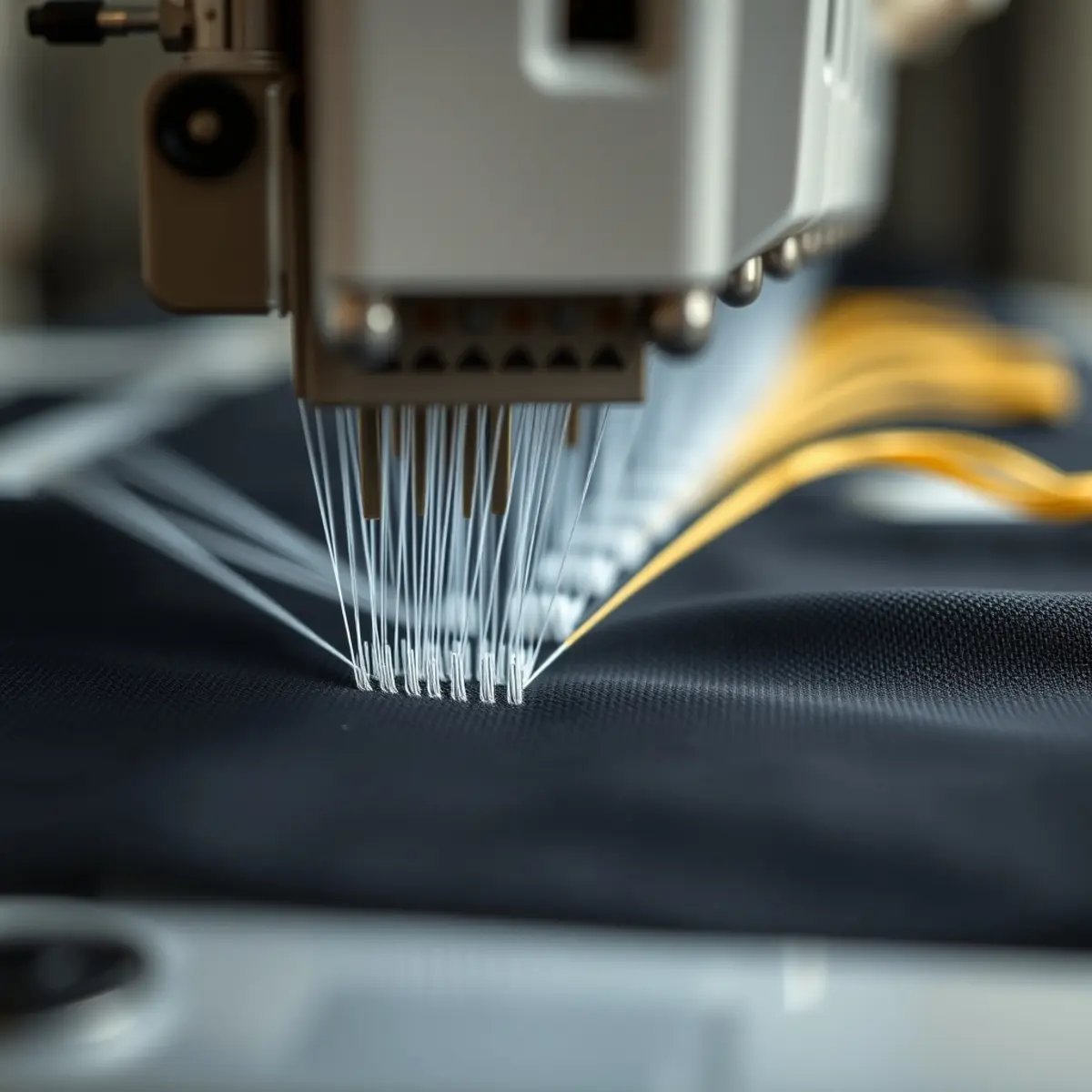
A reliable embroidery digitizing service converts standard graphic artwork into machine-ready stitch files that commercial embroidery equipment can read. Modern embroidery machines cannot sew directly from a JPEG, PNG, or vector file without specific coordinate, density, and stitch-type instructions. Understanding how stitch files are generated helps apparel decorators, print shops, and brands avoid thread breaks, puckered fabric, and distorted designs on finished garments.
Quick answer: An embroidery digitizing service converts flat artwork into technical stitch commands like DST, PES, or EXP files. Pricing starts from $13.50 per design, delivered in 24 hours with 2–4 hour rush options available. Professional digitizing ensures proper underlay, pull compensation, and density for hats, jackets, and apparel.
How an Embroidery Digitizing Service Works
Embroidery digitizing is the process of translating two-dimensional artwork into a structured sequence of needle penetrations. Rather than merely resizing an image, a digitizer assigns specific stitch directions, underlay support, trim points, and density values based on the target fabric and garment placement. If you are exploring the overall process, our guide on what is embroidery digitizing covers the foundational mechanics of machine translation.
At Emboro Stitch, we operate as a US-based patch company with our own production houses in Karachi and Sialkot, Pakistan. Backed by production experience since 2015, we digitize files for embroidery machines as well as manufacture physical patch styles like embroidered patches and woven emblems. When decorators order digitizing, they receive balanced stitch files calibrated to run cleanly on modern multi-head machinery.
Digitizing Formats and Machine Compatibility
What file formats do you deliver for embroidery machines?
We provide all major commercial and home embroidery formats based on your machine specifications. Our primary formats include DST (Tajima), PES (Brother, Baby Lock), and EXP (Melco, Bernina), along with formats such as JEF, HUS, VP3, and EMB upon request. Your quote shows every cost before you pay, and files arrive ready to load via USB or network cable to your machine.
What artwork file formats can I submit for digitizing?
You can upload almost any common image format, including high-resolution PNG, JPG, PDF, AI, EPS, or SVG files. Clean vector files allow digitizers to trace edges with maximum accuracy, but clear raster images also produce sharp results. If your artwork needs cleanup before stitch assignment, we offer clean vector art services starting at three clear tiers: Simple $13, Standard $25.50, and Complex $45.50.
Can a digitized file be scaled up or down on the embroidery machine?
Scaling a stitch file directly on an embroidery machine beyond 10 percent can lead to severe quality issues. When a machine expands a pre-digitized file without recalculating stitch density, the spacing between threads widens, exposing the base fabric. Shrinking a design crowds the stitches into a small area, causing thread breaks and needle damage. Significant size adjustments require a digitizer to regenerate the stitch paths.
Embroidery Digitizing Service Pricing and Turnaround
How much does a professional digitizing service cost?
Our embroidery digitizing service starts from $13.50 per design. Pricing depends on design complexity, stitch count, and layout requirements, and your quote shows every cost before you pay. Because we handle digitizing directly without third-party markups, pricing remains consistent for both single projects and continuous apparel runs.
What is the turnaround time for custom embroidery digitizing?
Standard digitizing orders are delivered in 24 hours. For urgent shop deadlines, a rush turnaround of 2–4 hours is available. Once your file is completed, we email the stitch file along with a PDF production sheet detailing dimensions, color stop sequences, and total stitch count.
Are revisions included if the stitch file needs minor adjustments?
Minor revisions included on digitizing orders ensure that your file sews out smoothly on your selected fabric. If a stitch file needs minor density tweaks, altered trim sequences, or small pull compensation adjustments after a test sew-out, we adjust the file promptly. Extensive design changes or complete layout overhauls require a new quote.
Technical Specifications for Stitch Files
What is the difference between flat embroidery and 3D puff digitizing?
Flat embroidery uses running, satin, and fill stitches placed directly over standard underlay stitching on the fabric surface. Digitizing for 3D puff requires specialized programming with heavy satin stitching, closed caps, and perforated cut lines that slice through dense EVA foam placed on the garment. 3D puff files also run with higher stitch densities to prevent foam from showing through the thread.
Why does fabric type matter when setting up an embroidery file?
Different fabrics react uniquely to needle tension and thread density. Heavyweight cotton canvas or twill provides a stable base, whereas stretchy pique knits, polyester fleece, and performance spandex pull inward under tension. A professional digitizer adds specific underlay patterns and pull compensation to counteract fabric stretch and prevent puckering during production.
How does digitizing for caps differ from digitizing for flat shirts?
Cap digitizing requires an inside-out, bottom-up stitch sequence to keep structured hat panels smooth over the curved cap frame. Sewing from top to bottom or outside-in causes excess fabric to push forward, leading to bunching and needle deflection. Flat apparel digitizing, such as for left-chest polo shirts or jacket backs, uses different underlay stitching because the fabric lies flat on a standard tubular hoop.
Embroidery Files vs. Physical Custom Patches
Many apparel brands and promotional shops debate whether to sew direct embroidery using digitizing files or apply premade patches to their garments. Direct embroidery requires setting up garments on hoops, managing individual bobbin tensions, and handling machine downtime on difficult items. Ordering completed patches allows shops to decorate complex caps, heavy outerwear, and bags quickly using heat seal presses or simple border sewing.
If you prefer ready-to-apply emblems instead of sewing direct embroidery in-house, explore our complete selection of custom patches. For physical patch production, orders start at just 10 pieces per design, with per-piece prices dropping at 25, 50, 100, 250, 500, and 1,000 pieces. For example, a 3″ embroidered patch is $3.80 each at 50 pieces and $2.55 each at 100 pieces.
| Feature | Direct Embroidery Digitizing | Custom Patch Production |
|---|---|---|
| Initial Cost | From $13.50 per design | Per-piece pricing by size and quantity |
| Turnaround | 24 hours (rush 2–4 hours) | 7–14 business days (rush 3–5 business days) |
| Output Delivered | Digital stitch files (DST, PES, EXP) | Physical finished patches with chosen backing |
| Minimum Order | 1 design file | Orders start at just 10 pieces |
| Application Method | Direct sewing on commercial embroidery machine | Iron-on, sew-on, or Velcro (hook and loop) |
Frequently Asked Questions
How do I know my digitized file is ready to sew?
Every completed file includes a detailed PDF worksheet showing the stitch count, run time estimate, dimensions, and thread color change order. We recommend running a test sew-out on scrap fabric that matches your production garment before starting full runs. This verifies that thread tension and garment stabilization align with the digitized paths.
Can you convert a small left-chest file into a jacket-back file?
A left-chest design cannot simply be enlarged into a jacket-back design. Expanding a 3.5-inch design to 10 or 12 inches causes fill areas to space out into loose threads rather than proper satin or tatami patterns. Converting a small file to a jacket-back requires re-digitizing the artwork with broader stitch structures and heavier underlays.
Do you offer rush digitizing services for urgent production runs?
Yes, we offer rush delivery within 2–4 hours for time-sensitive jobs. Standard orders process in 24 hours, making it easy to schedule machine time without production delays. Contact us via our quote form to request rush processing for your embroidery files.
How do I pay for custom embroidery digitizing?
All digitizing services are billed by invoice rather than through an automated online shopping cart. We accept payment through credit or debit card, PayPal, Payoneer, and bank transfer or ACH. Once your invoice is paid, your digitized files are finalized and emailed directly to your inbox.
Ready to Order Your Custom Patches?
Send your artwork for embroidery digitizing from $13.50 per design, delivered in 24 hours.
Need Custom Patches?
Send us your design and get honest pricing back within 24 hours, plus a free digital mockup before production. No obligation.
Get a Quote